

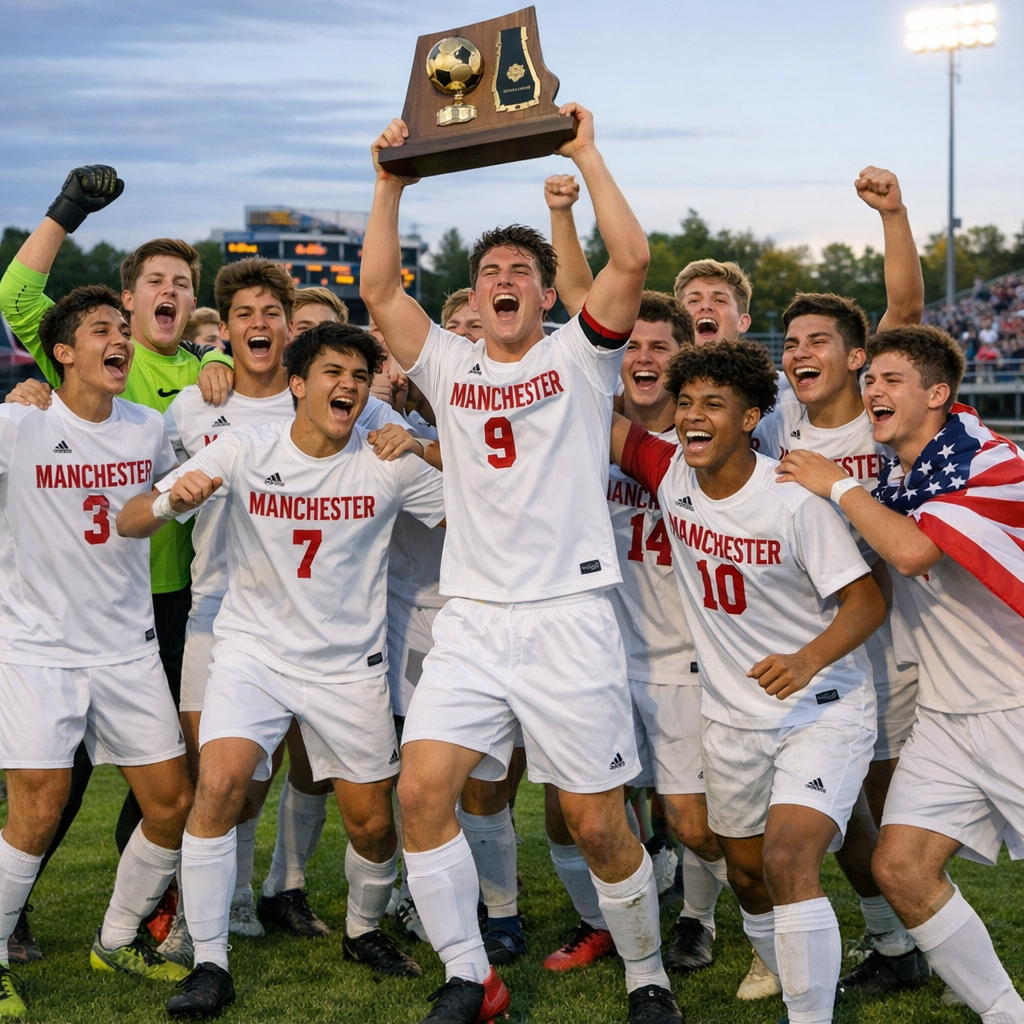
Manchester isn’t just watching from the sidelines—what’s happening here in high school athletics is part of bigger changes sweeping across the country. From participation rates to coaching shortages and shifts in what draws young athletes onto the field, Manchester’s sports community offers a microcosm of national trends.
Participation on the Rise, Across Sports
According to recent data, team sports participation in the U.S. has reached an all-time high—92 million Americans age 6 or older played a team sport in 2025, up 7.6% from the year before. Increases were widespread, spanning outdoor soccer, basketball, and many others. For youth ages 6-14, participation didn’t just rise—it grew faster than the number of coaches available. Those broad gains are reflected locally in Manchester, where soccer, basketball, volleyball, and football programs are seeing steady or even booming enrollment driven both by school and community leagues.
Coaching Shortages Impact Local Programs
One major national concern: there are fewer youth coaches than before—even as more kids sign up. From 2022 to 2025, the number of active youth coaches dropped steadily, while participation among 6-14-year-olds increased. Locally, Manchester programs have felt that. Volunteers are harder to find, especially for middle school and non-varsity levels, and many teachers who coach are juggling tighter schedules. Administrative support and outreach are becoming key factors in keeping teams running smoothly.
Why Kids Play: Fun, Community, Friendship
Competition is no longer the top reason kids join sports—and that’s true both nationally and in Manchester. Studies show that fun, staying active, and belonging comes first. For many at Central, Memorial, West, and Trinity, the peer bonds formed during practices and game days matter just as much as the final score. Programs that emphasize supportive team cultures are gaining trust among parents and players alike.
Challenges & Opportunities at Home
Though enthusiasm is high, costs are rising: uniforms, fees, travel, and equipment can strain household budgets. Manchester’s public schools and recreation departments are working to offset these with fundraising, sliding-scale participation fees, and partnerships with local businesses. Another challenge is maintaining program quality amid rising enrollment—without burning out coaches or spreading resources too thin.
Looking Ahead
Manchester’s sports future hinges on community engagement. Sustained support for youth leagues, partnerships between schools and local governments, and recruiting coaches will be essential. If current national trends hold, sports in Manchester will continue to be more inclusive—with shifts in which sports are growing, greater focus on wellness and fun, and stronger community bonds shaping what it means to compete.