

By Liam Porter
The U.S. economy is navigating a period of growing concern. While growth continues, many Americans believe daily life is getting harder, not easier. Here’s a look at what people are worried about, what’s driving the anxiety, and what that means as the country heads toward the upcoming national elections.
Widespread concern over economic well-being
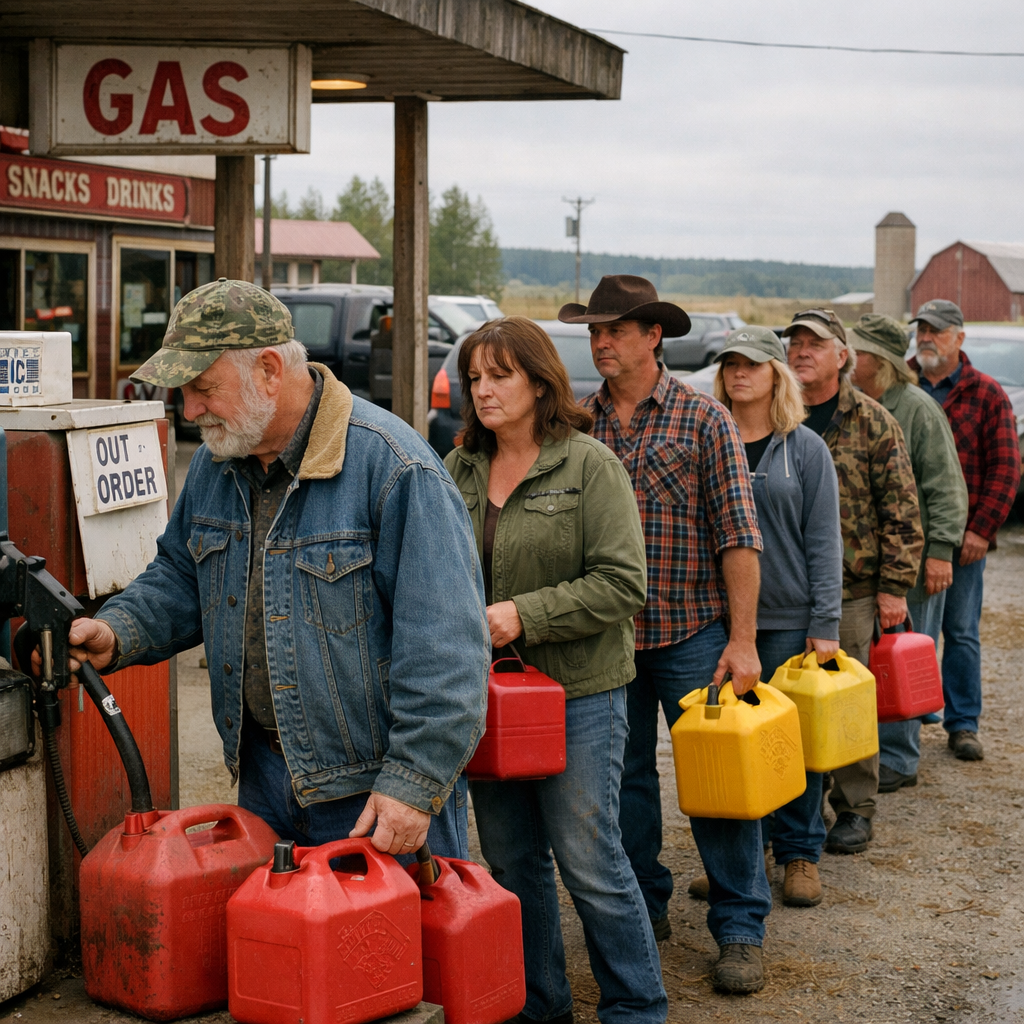
Recent polling shows just 24% of U.S. adults rate the national economy as either “good” or “excellent,” while a larger share describes conditions as “only fair” or poor. Many point to rising prices—especially for essentials like healthcare, food, housing, and energy—as their top concerns. Gasoline in particular has become a flashpoint, with worries rising sharply in the wake of global supply and geopolitical pressures.
Slowing growth and inflation pressure
Economic growth remains positive but has cooled. In the second quarter of the year, GDP rose by about 1.5%, down from stronger growth earlier in the year. Inflation remains above target, especially when factoring in costs tied to trade and energy. Analysts say tariff-related price impacts and rising energy costs are partly to blame.
Partisan divides deepen
Views on how parties handle economic policy are increasingly mixed. Neither major party holds a consistent advantage across issues; Democrats pull ahead on topics like healthcare and education, while Republicans fare better on matters such as crime and immigration. On economic policy overall, opinions are nearly evenly split.
When it comes to recent tax cuts, tariffs, and spending decisions, more Americans now say that economic policies implemented since last year have worsened things—an argument that some Republicans are contesting amid concerns these perceptions could impact the midterm elections.
Fiscal challenges ahead
Meanwhile, the country’s long-term fiscal outlook remains troubling. As of spring, federal debt stood near $31.3 trillion—roughly equal to the entire economy—and projections indicate that debt held by the public could reach 106% of GDP by 2029. Without changes in revenue or spending policies, the outlook moves toward 250% of GDP in several decades.
Models from independent agencies show a modest rebound in GDP growth through 2026, but inflation risks—especially tied to volatile energy prices and global supply disruptions—could delay progress. Unemployment is expected to stay near current levels in the weeks and months ahead, albeit with some softening of job creation.
What it means locally in New England and beyond
Here in New England, already-high living costs for housing and energy mean economic anxieties are often sharper than the national average. Adding to that, fluctuations in fuel prices—not just at the pump but for home heating—hit many households hard.
Politically, economic concerns are never far from center stage. With control of Congress and local office holders in much of the region up for grabs, the way people feel about their purse strings—and who they think is to blame—could tip outcomes in key races.
Room for policy action
- Relaxing upward pressure on energy and trade-related costs could help—through incentives for domestic production, or smoother supply chains.
- Targeted relief for healthcare and housing costs might ease burdens for lower and middle-income families.
- Addressing projected budget and debt trajectories could reduce long-term uncertainty, but would require trade-offs in spending or new revenue sources.
For now, the nation watches closely: growth may continue, but many Americans are less confident that its benefits reach their own doorsteps. Whether economic perceptions shift between now and election day may depend less on what the numbers are—and more on how costs feel.