

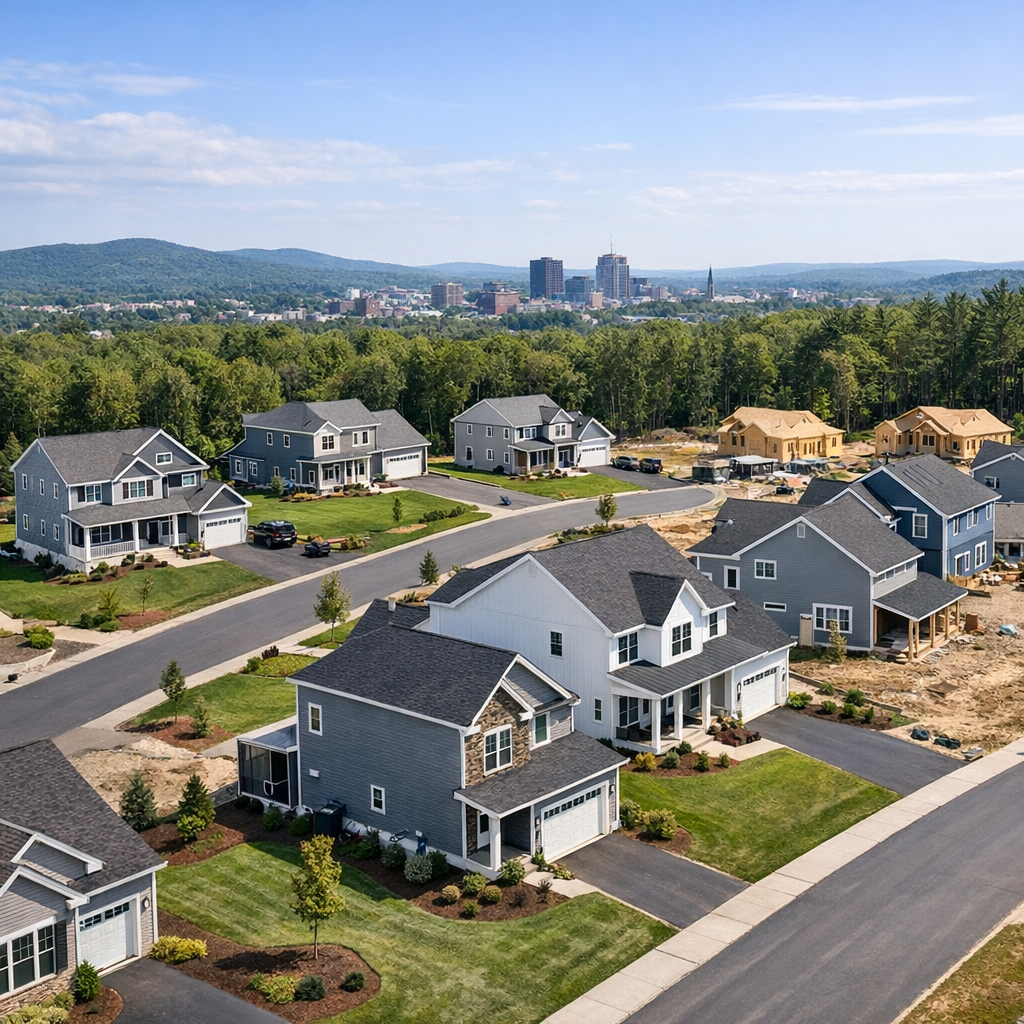
Manchester, New Hampshire, continues to exhibit a dynamic housing market characterized by competitive pricing, swift sales, and ongoing development projects. Understanding these trends is essential for prospective buyers, sellers, and investors.
Current Market Trends
As of March 2026, the median sale price for homes in Manchester was $446,000, reflecting a 7.1% decrease compared to the previous year. Despite this dip, the market remains active, with homes typically selling in 38 days and receiving multiple offers. Notably, 80 homes were sold in March, marking a 19.4% increase from the same month last year. Additionally, the median sale price per square foot has risen by 5.8% year-over-year, indicating sustained demand and value appreciation in certain segments of the market.
Inventory and Demand
The housing inventory in Manchester remains tight, with only 1.4 months of supply available. This limited inventory contributes to the competitive nature of the market, often resulting in homes selling for 100.35% of their asking price. Such conditions underscore the importance for buyers to act decisively and for sellers to price their properties strategically.
New Developments
To address the housing demand, several development projects have been undertaken. PC Construction has been instrumental in delivering 650 mixed-rate housing units in the Greater Manchester area since 2021. Their latest project, the Residences at Chestnut, adds 142 affordable housing apartments to the local market. This development includes amenities such as a community kitchen, rooftop deck, fitness center, and enclosed dog park, enhancing the quality of life for residents.
Another notable development is the Woodview Townhomes at Woodland Pond. This luxury townhouse project offers three-bedroom units with features like granite countertops, gas fireplaces, and hardwood floors. Its strategic location near major highways makes it appealing to commuters seeking upscale living options.
Conclusion
Manchester’s housing market presents a blend of challenges and opportunities. While the competitive landscape and limited inventory pose hurdles for buyers, the ongoing development projects aim to alleviate some of these pressures by increasing housing availability. Staying informed about these trends is crucial for making well-informed real estate decisions in the area.